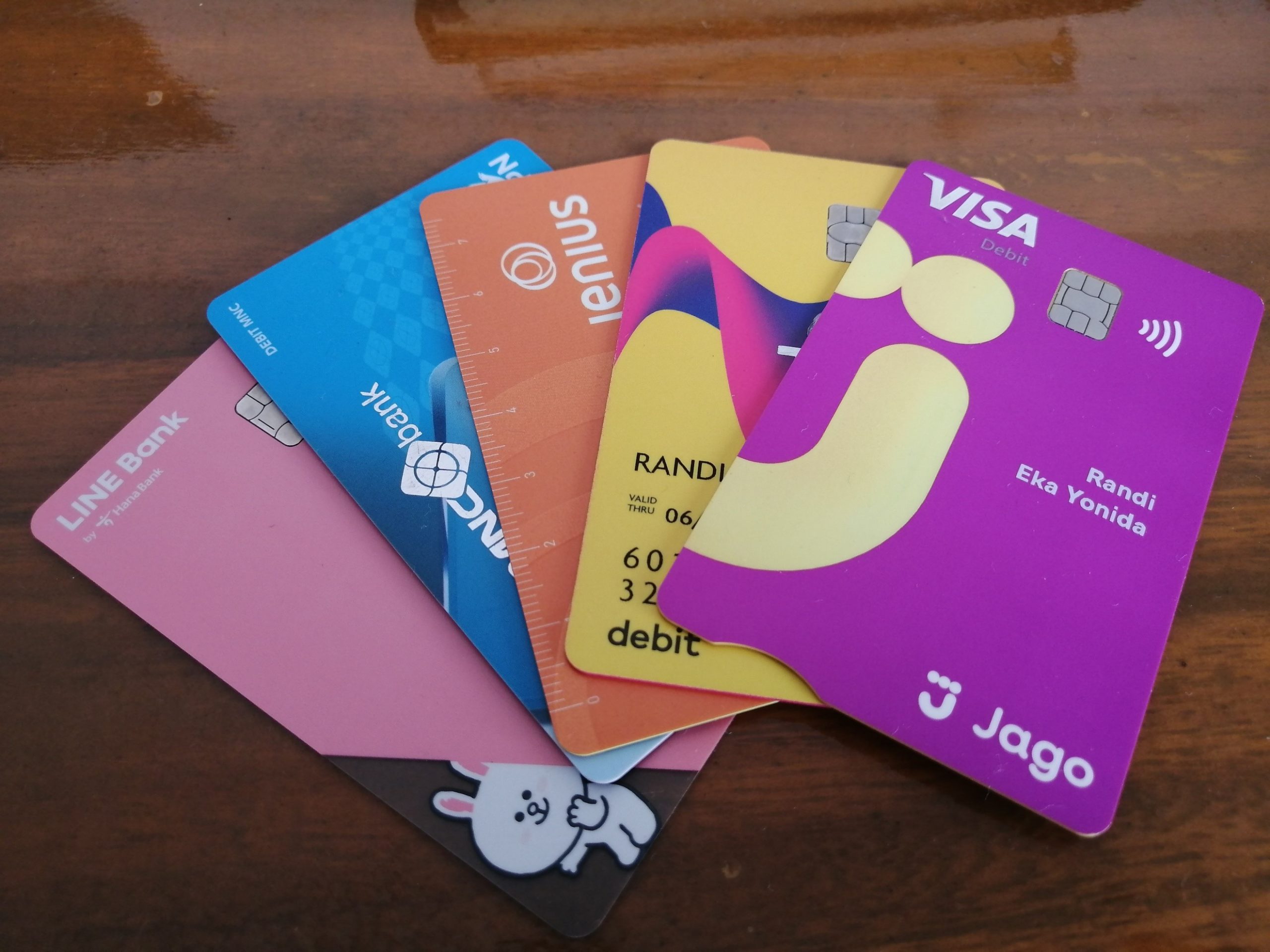
The fintech and digital banking sectors have moved from rapid experimentation to a more mature phase marked by consolidation. Over the past decade, thousands of startups entered the market, each targeting narrow pain points in payments, lending, wealth management, compliance, or core banking. As growth slows, funding tightens, and regulatory expectations rise, consolidation has become a defining trend shaping the industry’s future.
Macroeconomic Strain and the Decline of Readily Accessible Capital
One of the strongest drivers of consolidation is the shift in global economic conditions. During years of low interest rates, fintech startups benefited from abundant venture capital and high valuations based on growth rather than profitability. That environment has changed.
Rising interest rates, inflation, and tighter monetary policy have forced investors to prioritize sustainable business models. Many fintech firms now face:
- Rising capital expenses and increasingly limited avenues for securing late‑stage financing
- Heightened expectations to prove well‑defined routes toward profitability
- Lower valuation resets that render mergers a more practical option
Consequently, dominant companies snap up smaller or financially troubled rivals at reduced prices, whereas less robust firms pursue mergers to stay afloat.
Regulatory Complexity and Compliance Costs
Regulation has become a major catalyst for consolidation, especially in digital banking. As fintech firms grow, they face regulatory scrutiny similar to that of traditional banks, including capital requirements, consumer protection rules, and data privacy obligations.
Ensuring compliance carries significant costs and operational challenges, and many smaller firms find it difficult to manage:
- Compliance obligations and filing mandates spanning various jurisdictions
- Anti-money laundering measures and fraud detection frameworks
- Continuous oversight reviews alongside investments in regulatory technologies
Larger platforms can spread these costs across broader customer bases. This scale advantage encourages acquisitions of niche players whose technology or customer segments complement existing regulatory infrastructure.
Economies of Scale and the Quest for Profitability
Many fintech business models operate with very slim margins, especially within payments and digital banking, and reaching profitability typically demands substantial scale. Through consolidation, firms are able to:
- Reduce duplicated technology and operational costs
- Increase bargaining power with payment networks and vendors
- Cross-sell products such as lending, savings, and insurance
Digital banks that previously centered their efforts on basic checking services are now purchasing lending platforms or wealth technology companies to boost the revenue generated from each customer, and these integrations enhance unit economics while reinforcing their long-term sustainability.
Customer Acquisition Costs and Market Saturation
As fintech markets continue to evolve, attracting new customers has grown increasingly costly. Most early adopters are already onboard, while competition to win over the broader mainstream audience remains fierce. Rising expenses tied to marketing, promotional incentives, and referral schemes are now putting additional pressure on margins.
Consolidation supports the resolution of this challenge by:
- Uniting customer groups while trimming overlapping promotional expenses
- Extending brand visibility across a broader range of offerings
- Keeping users engaged through interconnected ecosystems instead of isolated applications
This becomes especially clear across consumer fintech, where many apps delivering comparable services have found it difficult to stand out in already crowded markets.
Tech Integration and Strategic Platform Approaches
Modern fintech increasingly favors platform-based models over single-purpose tools. Banks and large fintech firms want end-to-end capabilities, from onboarding and payments to analytics and compliance.
Acquiring specialized startups is often faster and cheaper than building technology internally. Common acquisition targets include:
- Suppliers offering application programming interface solutions
- Companies specializing in fraud prevention and identity validation
- Platforms delivering core banking services and foundational infrastructure
These acquisitions enable acquirers to deliver a broader array of solutions for consumers and businesses while speeding their path to market.
Conventional Banks Serving as Key Drivers of Consolidation
Traditional financial institutions are no longer sitting on the sidelines, and as competition from digital-native firms grows, banks have started purchasing fintech companies to revamp their services and preserve their relevance.
Banks seek fintech acquisitions in order to:
- Enhance digital user experience without rebuilding legacy systems
- Access new customer segments such as small businesses or younger users
- Adopt agile development cultures and modern data capabilities
This dynamic blurs the line between fintech and traditional banking, reinforcing consolidation across the broader financial services ecosystem.
Global Expansion and Cross-Border Mergers
As domestic expansion decelerates, fintech companies increasingly pursue opportunities abroad, yet stepping into foreign markets on their own can be expensive and uncertain because of regulatory differences and shifting consumer habits; as a result, cross-border mergers and acquisitions provide a faster, less arduous path to entry.
By consolidating, companies secure:
- Well-established licensing frameworks and regulatory ties
- Deep familiarity with the local market and its distribution networks
- Quicker expansion while minimizing operational risk
This trend is especially visible in payments, remittances, and digital wallets operating across multiple regions.
A Stricter Chapter Ahead for Fintech and Digital Banking
Consolidation in fintech and digital banking reflects an industry growing up. The shift from rapid expansion to disciplined execution is driven by economic reality, regulatory demands, and the need for sustainable profitability. While consolidation reduces the number of independent players, it also creates stronger, more resilient institutions capable of delivering broader services and long-term value. The next phase of fintech innovation is likely to come not from sheer numbers, but from well-integrated platforms that balance technological agility with financial and regulatory strength.