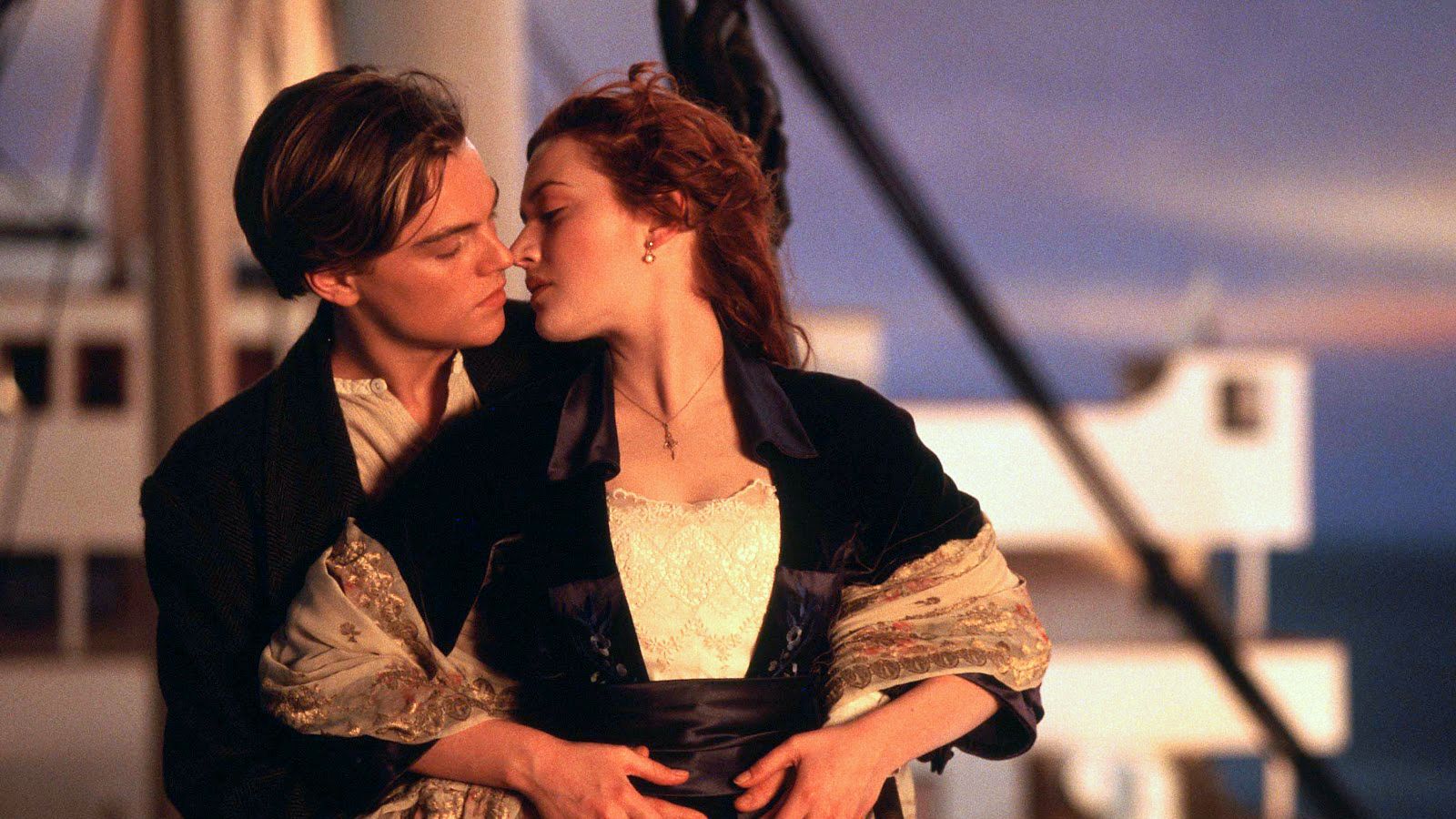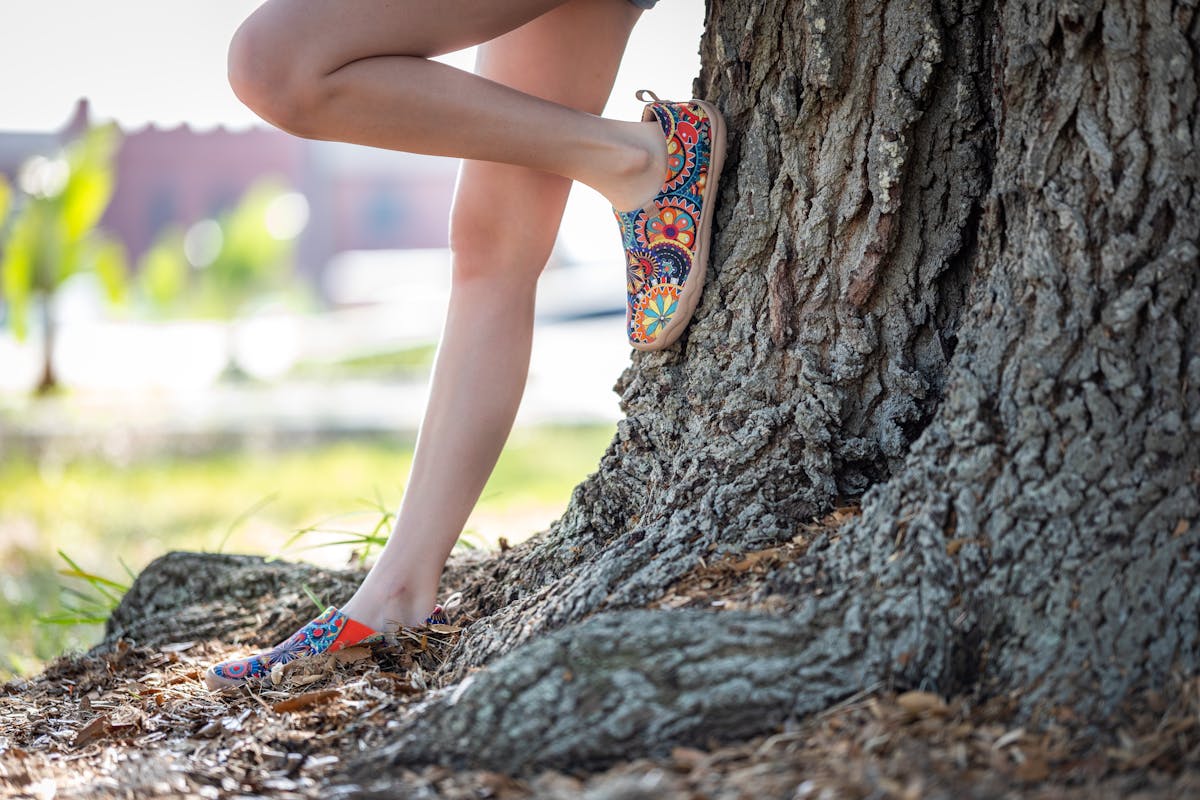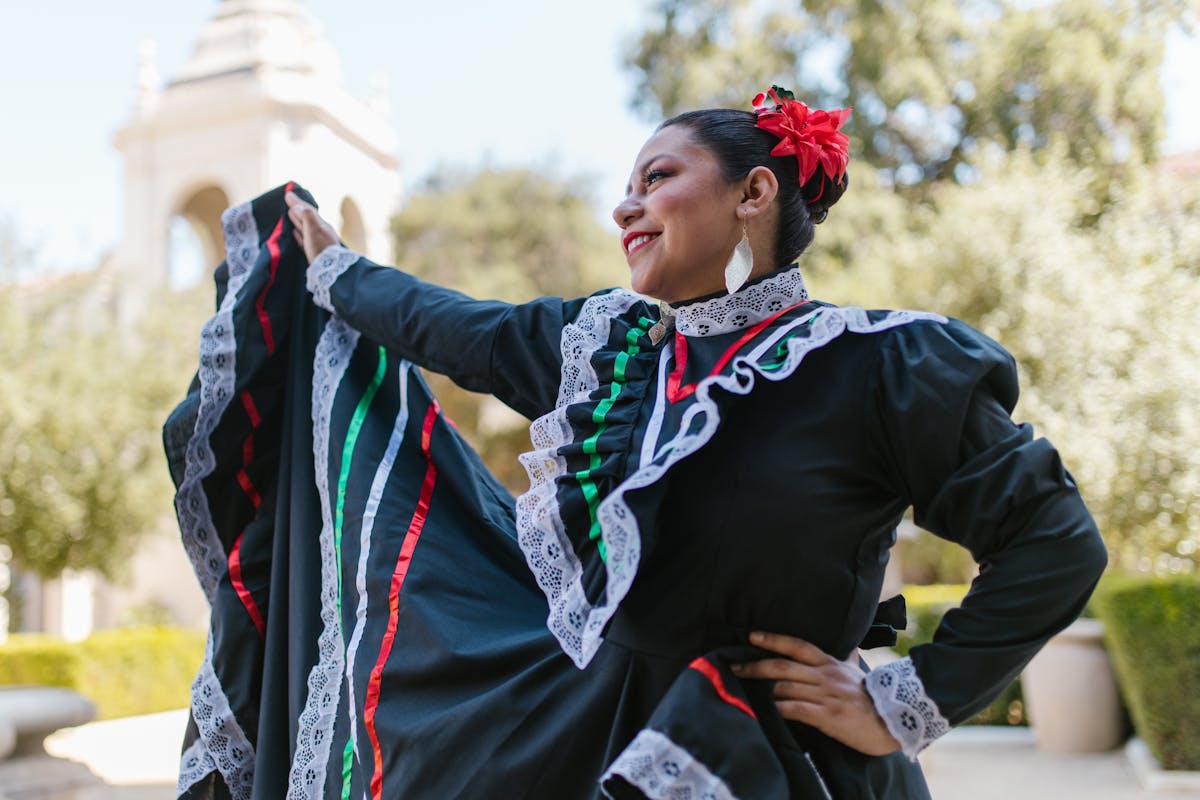
The intersection between celebrity culture and fashion is a phenomenon that has significantly shaped public taste and consumption patterns over the decades. Celebrities, with their pervasive presence across various media platforms, have become the quintessential style icons whose influence extends far beyond red carpet appearances. This article explores the multifaceted ways in which celebrities impact fashion, emphasizing both the historical context and modern-day implications.
The Longstanding Origins of Celebrity Influence
The power of celebrity influence in fashion dates back to the early days of Hollywood. Stars like Audrey Hepburn and Marilyn Monroe epitomized glamour and sophistication, setting trends that were eagerly emulated by fans worldwide. The iconic black dress worn by Hepburn in “Breakfast at Tiffany’s” is a prime example of a celebrity-inspired trend that transcended time, cementing the actress’s status as a fashion icon. This era laid the foundation for the dynamic relationship between celebrities and fashion, demonstrating the potential for individuals in the public eye to drive sartorial trends.
The Role of the Media
In today’s landscape, the media exerts a profound impact on how celebrity influence spreads. Through platforms like Instagram and Twitter, stars now reach their audiences directly, giving them the opportunity to reveal their fashion preferences in real time. These social networks have opened up the fashion world by dismantling long‑standing barriers and letting celebrities instantly share their personal looks with millions. For example, the rise of the influencer model has enabled figures such as Kylie Jenner and Rihanna to convert their social media strength into thriving fashion ventures. Their consistent interaction with followers serves as a powerful engine for shaping style trends.
The Red Carpet Effect
Major events like the Oscars and the Met Gala function as prominent stages for celebrity fashion, frequently influencing the direction of future style movements, while designers compete for the chance to outfit stars, fully aware of the vast visibility that a red carpet moment can offer; actor Billy Porter’s striking arrival at the 2019 Met Gala, featuring a jeweled bodysuit paired with 10-foot wings, enthralled spectators and pushed back against traditional gender expectations in fashion, with statements of this magnitude echoing throughout the industry and inspiring designers and shoppers alike to embrace bolder, more experimental aesthetics.
Collaborations and Industry Endorsements
Celebrities often engage in lucrative partnerships with fashion brands, further cementing their influence. Endorsements and collaborations have proven wildly successful, as seen with the likes of Beyoncé’s line with Adidas or the collaboration between Kanye West and Adidas to produce the Yeezy brand. These partnerships benefit both parties: celebrities expand their brand, while fashion companies gain access to a broader audience. The strategic alignment of celebrity identity with brand ethos helps create a unique market appeal, driving consumer interest and sales.
Cultural Impact and Diversity
Moreover, celebrities significantly influence efforts to broaden diversity and cultural representation across the fashion world. Public figures such as Zendaya and Priyanka Chopra use their visibility to champion inclusion, presenting varied looks that emphasize cultural respect instead of appropriation. This movement toward broader representation has motivated many in the fashion field to reconsider and reshape established narratives, urging the industry to evolve into a more welcoming and inclusive space.
The symbiosis between celebrities and fashion has evolved into a formidable force that not only dictates trends but also transforms societal norms. As celebrities continue to wield influence, their impact extends far beyond mere aesthetics, touching on cultural and economic dimensions that encourage both reflection and reinvention within the fashion industry. This ongoing dialogue between public figures and their audiences ensures that the realm of fashion remains dynamic, responsive, and endlessly intriguing.