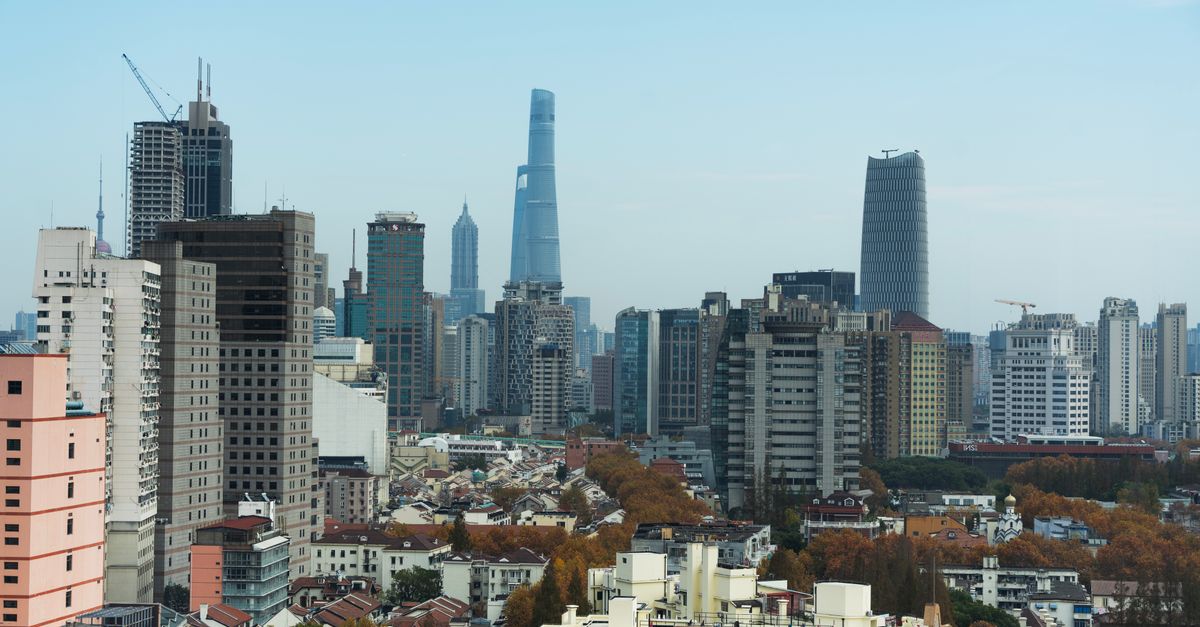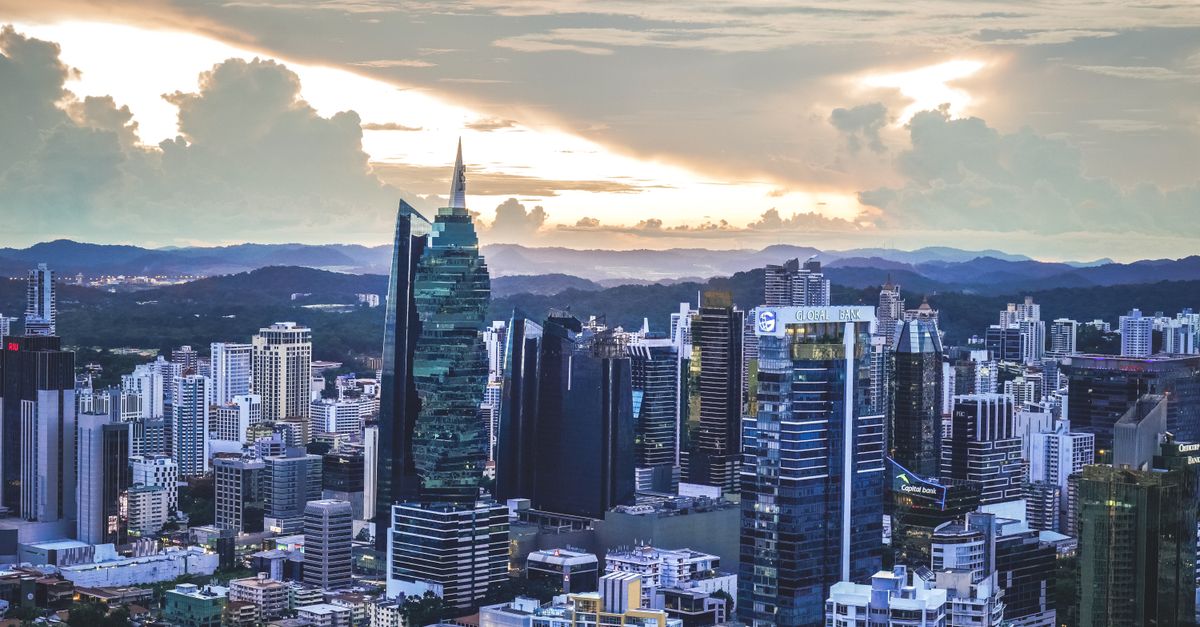
Panama City serves as Panama’s core center for commerce and logistics, standing among the Western Hemisphere’s essential hubs for transshipment and distribution. Its strategic edge stems from geography, offering direct access to the Panama Canal, a rail link that crosses the isthmus, major container terminals on both the Atlantic and Pacific coasts, and Tocumen International Airport for cargo operations. Investors assess the city’s port infrastructure, storage facilities, and last-mile networks by considering overall throughput, operational performance, regulatory conditions, and the efficiency of final delivery to end customers.
Key qualities investors seek in port operations
Investors evaluating port assets or logistics operations linked to port activities tend to focus on tangible operational and commercial characteristics
- Channel and berth specifications: berth depth (meters), quay length, and turning basin dimensions determine which vessel classes (Panamax, Neopanamax) can call without restrictions.
- Cranes and handling equipment: ship-to-shore crane numbers and outreach, yard gantries, and container handling productivity (moves per hour) are direct determinants of vessel service times and port competitiveness.
- Throughput and capacity metrics: annual TEU handling, yard capacity (TEU slots), on-dock rail or rail transfer capability, and berth occupancy rates inform scalability and congestion risk.
- Intermodal connectivity: rail link quality (Panama Railway corridor across the isthmus), highway access to metropolitan and interior markets, and proximity to Tocumen air cargo facilities reduce modal transfer times and costs.
- Customs, regulatory environment, and special regimes: speed of customs clearance, availability of bonded storage/free zone status, use of single-window electronic systems, and customs-owned vs. private terminal management affect dwell times and cash flow.
- Terminal operator profile: presence of experienced international operators and long-term concession frameworks influences operational standards, investment willingness, and predictable tariff structures.
- Resilience and maintenance: dredging schedules, breakwater protection, flood and storm defenses, and contingency plans for canal congestion or labor actions.
- Environmental and social license: compliance with ISPS and environmental regulations, community relations, and mitigation strategies for dredging or expansion projects.
Example context: Investors in Panama City favor terminals with deep drafts that accommodate Neopanamax vessels transiting the post-expansion Panama Canal, fast truck turnaround times (measured in minutes), and integrated on-dock or near-dock facilities enabling cross-dock and short-haul rail movements between Pacific and Atlantic terminals.
What investors look for in warehousing
Warehousing is evaluated for how well it supports supply chain strategies (just-in-time, inventory buffering, cold chain, e-commerce):
- Location and proximity: distance to the primary port (Balboa on the Pacific side for Panama City), to Tocumen Airport, and to major urban demand hubs. Shorter drayage lowers expenses and enhances operational speed.
- Facility specifications: roof height in meters, clear spacing between columns, floor load thresholds in kg/m2, number and setup of dock doors, cross-dock corridors, mezzanine alternatives, and suitability for high-density racking or automated systems.
- Climate control and specialized storage: cold storage volume in m3, pharmaceutical-grade cleanroom spaces, humidity management, and backup power systems to preserve temperature stability, essential for food and pharma moving across Central and South American regions.
- Technology and systems: WMS connectivity, instant inventory tracking, barcode and RFID readiness, API links to carriers and marketplaces, and compatibility with e-fulfillment platforms and micro-fulfillment operations.
- Security and compliance: perimeter protections, CCTV with access management, ISPS/ISO certifications, bonded warehouse authorization, and adherence to pharmaceutical and food safety standards.
- Lease terms and land availability: long-term indexed contracts, build-to-suit alternatives, access to industrial land for growth, and transparent permitting schedules.
- Costs and utilities: stable electrical supply with generator backup, fuel availability, water access, and logistics-related expenses including labor rates and efficiency levels.
- Labor skills and availability: trained warehouse personnel, technical teams qualified for cold chain and automation upkeep, and consistent labor availability.
Data-driven example: Investors model returns using metrics such as throughput per dock door per shift, order lines per hour, storage turns per year, and occupancy rates. In Panama City, demand drivers include regional transshipment, duty-free re-export from the Colón Free Zone, and growing e-commerce penetration in Central America.
What investors look for in last-mile networks
Last-mile effectiveness in Panama City determines customer satisfaction and urban delivery economics:
- Urban density and delivery zones: identifying demand hotspots across central business districts, upscale suburbs, and growing residential areas to strategically position micro-hubs.
- Traffic patterns and delivery windows: congestion levels, peak activity periods, and city curbside regulations shape routing methods, vehicle deployment, and timetable planning.
- Fleet mix and asset strategy: blending vans, compact trucks, motorcycles, electric cargo bikes, and parcel lockers to balance delivery costs with environmental performance.
- Micro-fulfillment centers (MFCs): compact automated or semi-automated sites located within or close to urban zones to shorten final-mile routes and support same-day or rapid two-hour delivery options.
- Technology and customer experience: tools such as live tracking, selectable delivery slots, integrated proof-of-delivery, return flows management, and APIs connecting marketplaces and retailers.
- Partnerships with carriers: the role and capacity of global carriers (including integrators), neighborhood couriers, marketplaces, and supermarket chains supporting dark-store or click-and-collect operations.
- Regulation and public policy: city rules on vehicle entry, designated low-emission districts, and programs encouraging electric fleets and shared curbside consolidation zones.
Panama City-specific nuance: compact urban geography and growing middle-class e-commerce demand favor MFCs and parcel locker networks. Investors assess parking availability, loading zone enforcement, and the cost/time of urban deliveries to set pricing and service levels.
Case studies and emerging market indicators
- Trans-isthmian integration: the Panama Railway corridor linking the Atlantic and Pacific ports is regarded as a vital asset for swift transshipment and cross-dock operations, and investors tend to prioritize terminals featuring direct rail connections or minimal rail drayage distances.
- Free zone leverage: the Colón Free Zone continues to act as a key driver for re-export and distribution activities; warehousing and value-added processes such as kitting or light assembly inside these zones help lower duty exposure and ease working capital pressures.
- Cold chain projects: increasing flows of pharmaceuticals and perishable foods have spurred the development of advanced cold storage facilities near Panama City and Tocumen Airport to support regional freight forwarders and air cargo movements.
- E-commerce-driven micro-hubs: retailers and online marketplaces in Panama City are progressively adopting compact urban warehouses or dark stores to achieve same-day delivery, while investors prefer adaptable leasable areas with rapid deployment potential.
Risks that investors need to assess and address
- Operational congestion and canal sensitivity: seasonal or geopolitical events affecting canal transits can ripple into port schedules and vessel slot reliability—contingency capacity and diversified berthing reduce exposure.
- Regulatory and permitting delays: environmental impact assessments, land-title clarity, and municipal permitting timelines can extend development schedules and costs.
- Currency and fiscal policy: tax incentives, tariff changes, and concession renegotiations impact long-term forecasts—structuring deals with stable concession terms or currency hedges is common.
- Labor disputes and productivity: port labor actions or low worker productivity increase dwell time; investor due diligence includes labor relations history and productivity benchmarking.
- Climate and resilience: heavy rainfall and localized flooding require drainage planning; sea-level considerations affect long-term coastal infrastructure siting.
- Market concentration risk: heavy dependence on transshipment volumes or one major terminal operator concentrates counterparty risk; diversification strategies include multi-terminal agreements and multi-modal routing options.
Operational and financial metrics investors demand
Investors build models using specific KPIs and thresholds:
- Port KPIs: TEU throughput per year, berth utilization (%), average vessel turnaround (hours), truck turnaround (minutes), dwell time (days), container dwell cost per day.
- Warehouse KPIs: occupancy rate (%), order lines per hour, pick-and-pack cost per order, storage turns per year, cost per pallet per month, electricity and cooling cost per cubic meter.
- Last-mile KPIs: cost per parcel delivered, first-time delivery rate (%), average delivery time (hours from order), average parcels per stop, fleet utilization (%), returns processing time.
- Financial KPIs: yield per square meter, IRR targets, lease roll risk, capex-to-operational-efficiency payback period, and sensitivity analysis on fuel, labor, and canal throughput scenarios.
Practical investment checklist for Panama City logistics assets
- Verify berth depth, dredging schedules, and canal access constraints.
- Confirm terminal operator contracts, concession length, and tariff escalation clauses.
- Assess rail and road connectivity, truck turn times, and congestion costs to planned facilities.
- Audit WMS/TMS integration readiness and API connectivity with major carriers and marketplaces.
- Evaluate cold chain redundancy—backup power, monitoring systems, and contingency protocols.
- Secure permitted land or long-term leases and map permitting timelines for expansions or retrofits.
- Model multiple demand scenarios: transshipment-centric, regional redistribution, and e-commerce-first.
- Plan for environmental and social engagement, including community impact mitigation and workforce training.
Investing in Panama City’s logistics ecosystem requires aligning global trade flows with local operational realities: ports must offer deep drafts, fast equipment productivity, and smooth customs interfaces; warehouses need location, technical specifications, and tech-enabled flexibility to support cold chain and e-commerce; last-mile networks demand urban intelligence, diversified fleets, and micro-hub strategies to meet tight delivery windows. The strongest investment cases combine physical proximity to canal-linked terminals and airport capacity with digital connectivity, regulatory clarity, and resilience planning—creating logistics platforms that convert Panama City’s geographic advantage into predictable, scalable returns.


.jpg "Properties in Cap Cana, Dominican Republic")